
I Published 100 Blog Posts – Here’s What Happened
When I started my blog, I believed that publishing articles would automatically bring traffic.
I quickly learned that blogging is much more complicated.
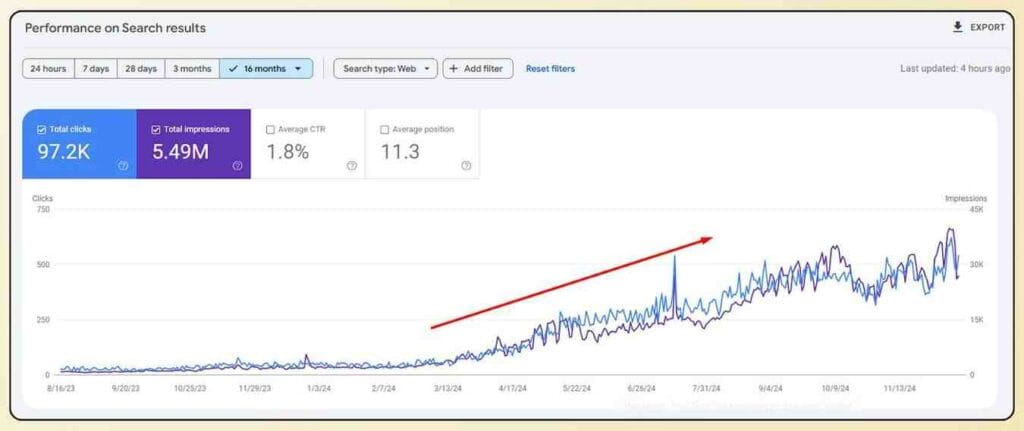
After publishing 100 blog posts, I experienced indexing issues, low impressions, ranking fluctuations, and gradual growth in Google Search Console.
This article shares what actually happened, what worked, what failed, and what I would do differently if I started again.
If you’re a new blogger wondering whether publishing 100 posts is worth it, this case study may save you months of frustration.
Why I Started This Blog
Like many beginners, I wanted to:
- Build an online asset
- Learn SEO
- Generate affiliate income
- Create passive traffic from Google
I chose blogging because content can continue generating traffic long after it is published.
Unlike social media posts that disappear quickly, blog posts can rank for years.
My Initial Expectations
My expectations were unrealistic.
I thought:
- 20 articles = traffic
- 50 articles = rankings
- 100 articles = significant income
The reality was different.
Google needed time to understand my website, evaluate my content, and build trust.
The First 30 Days
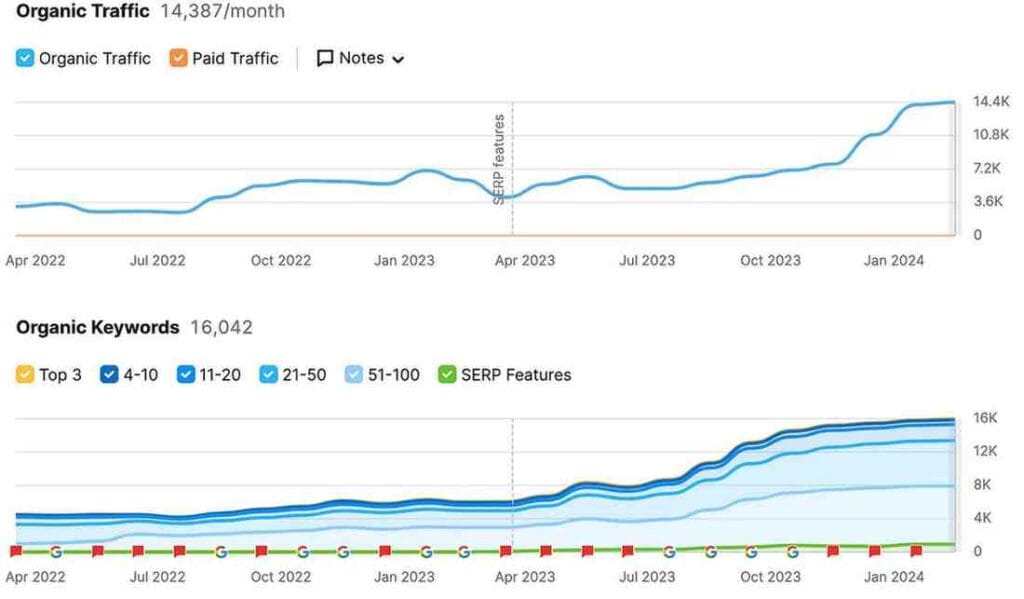
The first month was the hardest.
Typical results included:
- Very few impressions
- Almost no clicks
- Slow indexing
- No affiliate sales
At this stage, many bloggers quit.
I considered it too.
What Happened After 50 Blog Posts
Around the 50-post mark, I started seeing positive signs.
Google Search Console showed:
- More impressions
- More indexed pages
- Some long-tail keyword rankings
Traffic was still small, but there was clear progress.
This was my first indication that consistency matters.
What Happened After 100 Blog Posts
After reaching 100 posts, I noticed several improvements.
Better Topical Authority
Google began understanding my niche.
Instead of viewing my website as a random collection of articles, it started recognizing clear topic clusters.

More Keyword Rankings
Many articles began ranking for:
- Long-tail keywords
- Question keywords
- Low-competition search terms
Several posts ranked for dozens of keywords I never intentionally targeted.
Faster Indexing
New content started indexing more quickly.
Google crawled my website more frequently compared to the early days.
Increased Internal Linking Power
With 100 posts available, I could create stronger internal linking structures.
This helped:
- User experience
- Crawlability
- Topical relevance
Biggest Mistakes I Made
Mistake #1: Targeting Competitive Keywords
I initially targeted broad keywords.
Examples:
- SEO
- Blogging
- Web Hosting
These were extremely difficult to rank for.
Instead, I should have focused on long-tail keywords.
Mistake #2: Publishing Without Clusters
Early articles were disconnected.
I learned that Google prefers topic clusters.
For example:
Blogging Cluster:
- How to Start a Blog
- Blogging Mistakes
- Keyword Research
- Blog Traffic Growth
This structure performs much better.

Mistake #3: Weak Internal Linking
Many early articles had few internal links.
Internal linking became one of the biggest SEO improvements I made.
Mistake #4: Expecting Fast Results
SEO is slower than most beginners expect.
Many bloggers quit before growth begins.
What Worked Best
Long-Tail Keywords
Long-tail keywords produced the fastest rankings.
Examples:
- Best free keyword research tools for bloggers
- Why blog posts are not indexing
- How bloggers make money
Consistent Publishing
Publishing consistently helped build trust with both readers and search engines.
Topic Clusters
Clusters significantly improved topical authority.
Problem-Solving Content
Articles that solved real problems performed better than generic content.
Examples:
- Why blogs fail
- Why blog traffic is low
- Google indexing fixes
Traffic Lessons Learned
Traffic growth is not linear.
It often looks like this:
Month 1:
Almost nothing
Month 2:
Some impressions
Month 3:
More keywords ranking
Month 4–6:
Noticeable SEO growth
The biggest lesson:
Patience is required.
Affiliate Earnings Lessons
One of the biggest surprises was learning that traffic alone does not guarantee earnings.
The highest-converting pages were:
- Product reviews
- Pricing articles
- Discount articles
- Comparisons
Informational articles built traffic.
Commercial articles generated clicks.
Both are necessary.
How Many Posts Do You Really Need?
There is no magic number.
However, publishing 100 quality articles taught me that:
- Topical authority matters
- Internal linking matters
- Consistency matters
- Quality matters
The goal should not be:
“Publish 100 posts.”
The goal should be:
“Build authority in one niche.”

What I Would Do Differently
If I started again, I would:
- Focus on one niche
- Build topic clusters immediately
- Target long-tail keywords
- Improve internal linking from day one
- Publish fewer but higher-quality articles
My Plan for the Next 100 Posts
Moving forward, I plan to focus on:
- Higher-quality content
- Better keyword targeting
- More internal linking
- Stronger affiliate content
- More case studies
The next phase is about improving existing content, not just publishing more.

Final Thoughts
Publishing 100 blog posts taught me that blogging success comes from consistency, patience, and strategic SEO.
Traffic growth is often slow at first.
But every quality article strengthens your website.
The biggest mistake new bloggers make is quitting too early.
If you stay consistent, improve your content, and focus on solving real problems, blogging can become a valuable long-term asset.
Frequently Asked Questions
Is 100 blog posts enough to get traffic?
Not always. Quality, niche selection, keyword targeting, and topical authority matter more than the number of posts.
How long does it take for a blog to grow?
Most blogs need several months before meaningful traffic appears.
Do all blog posts rank?
No. Some posts perform well while others may never rank significantly.
What is more important: quality or quantity?
Quality is more important. However, publishing enough content to build topical authority is also essential.
Should beginners focus on affiliate marketing?
Yes, but they should also create informational content to build trust and organic traffic.